
Cavitation remains one of the most persistent challenges in water industry pumping applications, particularly where duty conditions fluctuate, tank levels vary, or infrastructure constraints limit operational control. While cavitation is widely understood in theory, many sites still encounter it as a recurring, long-term reliability issue rather than a short-term upset condition.
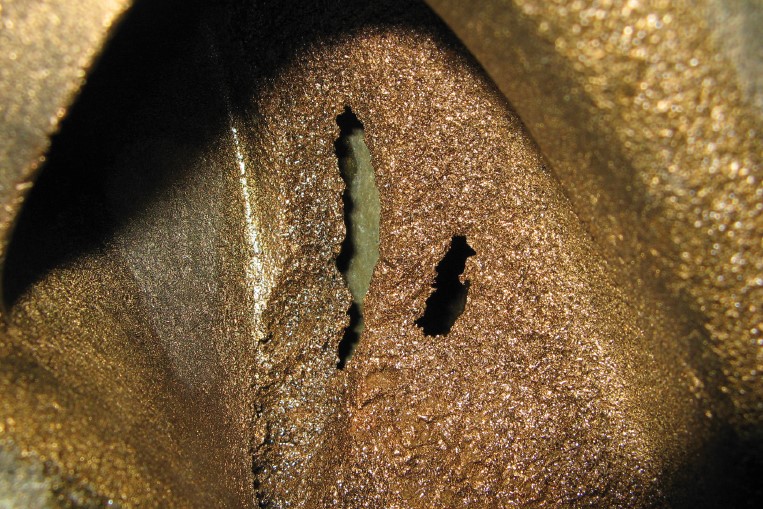
This article focuses on a refurbishment project involving cavitation damage to four BB1 split-case pumps in water service. An expert team from Celeros Flow Technology (Celeros FT) applied a combination of on-site investigation, root-cause analysis and a targeted materials upgrade to significantly improve reliability. The outcome was a measurable reduction in component damage and a significant improvement in operational life without changing the hydraulic design or system operating constraints.
Decline in Pump Performance
The four pumps had been in operation for approximately seven years, with no major interventions beyond routine monitoring. The first sign of a developing problem was a noticeable reduction in performance, including reduced output against expected duty.
In water-sector environments, this kind of decline is often attributed to general wear, process changes, or gradual internal degradation. However, because several factors can contribute simultaneously – including duty-cycle variation, changes in the pumped fluid, or deterioration of internal clearances – the site opted for a detailed health check rather than automatic component replacement.
A specialist engineering team was invited to inspect the units, establish the failure mechanism, and identify the most cost-effective corrective approach.
Common Causes of Pump Deterioration
When pump performance drops over time, the underlying causes are rarely limited to a single component. Common contributors include:
- Changes in process parameters, such as altered flow demand or head conditions
- Environmental changes, including temperature shifts or increased entrained air
- General erosion and wear, especially in variable-quality water
- Duty-cycle changes, including longer run times or more frequent starts
- Cavitation, caused by low suction head and fluctuating tank levels
In this case, the pumps were operating in an environment where the suction-side conditions could not be held constant.
Physical Inspection Reveals Damage
Initial testing confirmed that the pumps were operating well below original performance expectations. When the top half casing was removed, the internal condition of the hydraulic components immediately explained the performance drift.
Across all four pumps, the impellers showed severe damage, concentrated around the inlet vane regions. The wear rings were heavily worn, indicating significant loss of internal clearances.
Wear ring degradation is a common cause of reduced hydraulic efficiency, but the extent and location of the impeller damage suggested a more aggressive mechanism than typical erosion, consistent with sustained cavitation rather than isolated short-duration events.
Low Water Levels are Root Cause
Further investigation and discussion with site operators revealed that the upstream water supply tank frequently dropped to a low level during normal operation. This condition reduced suction head and created a recurring cavitation environment.
Over time, cavitation had progressed beyond surface pitting and had developed into full perforation. Holes were present in the impeller inlet vanes on all four pumps, indicating prolonged exposure.
The tank level variation was a function of site operation and could not be reliably prevented through control changes alone. As a result, the engineering challenge was not to stop cavitation, but to make the pumps more tolerant of cavitation exposure and reduce the damage rate.
Replace or Redesign?
Once the failure mechanism was understood, the site faced a familiar water-sector decision: should the pump impellers be replaced regularly, with recurring downtime and component costs integrated into maintenance regimes, or should the component specifications be modified to mitigate cavitation damage?
Based on the observed degradation rate, the original impeller material would likely require replacement approximately every six years in these operating conditions, and unfortunately, the total cost of replacement is rarely limited to the impeller itself. Planned intervention also involves labour and lifting costs, outage coordination, performance risk management as the pump deteriorates, and knock-on effects on wear rings and other peripherals.
Drawing on extensive water-industry experience and specialist materials expertise, Celeros FT was able to propose an alternative solution.
Materials Upgrade Solution
Rather than redesigning the pump hydraulics, the alternative solution focused on upgrading the impeller material to improve cavitation resistance.
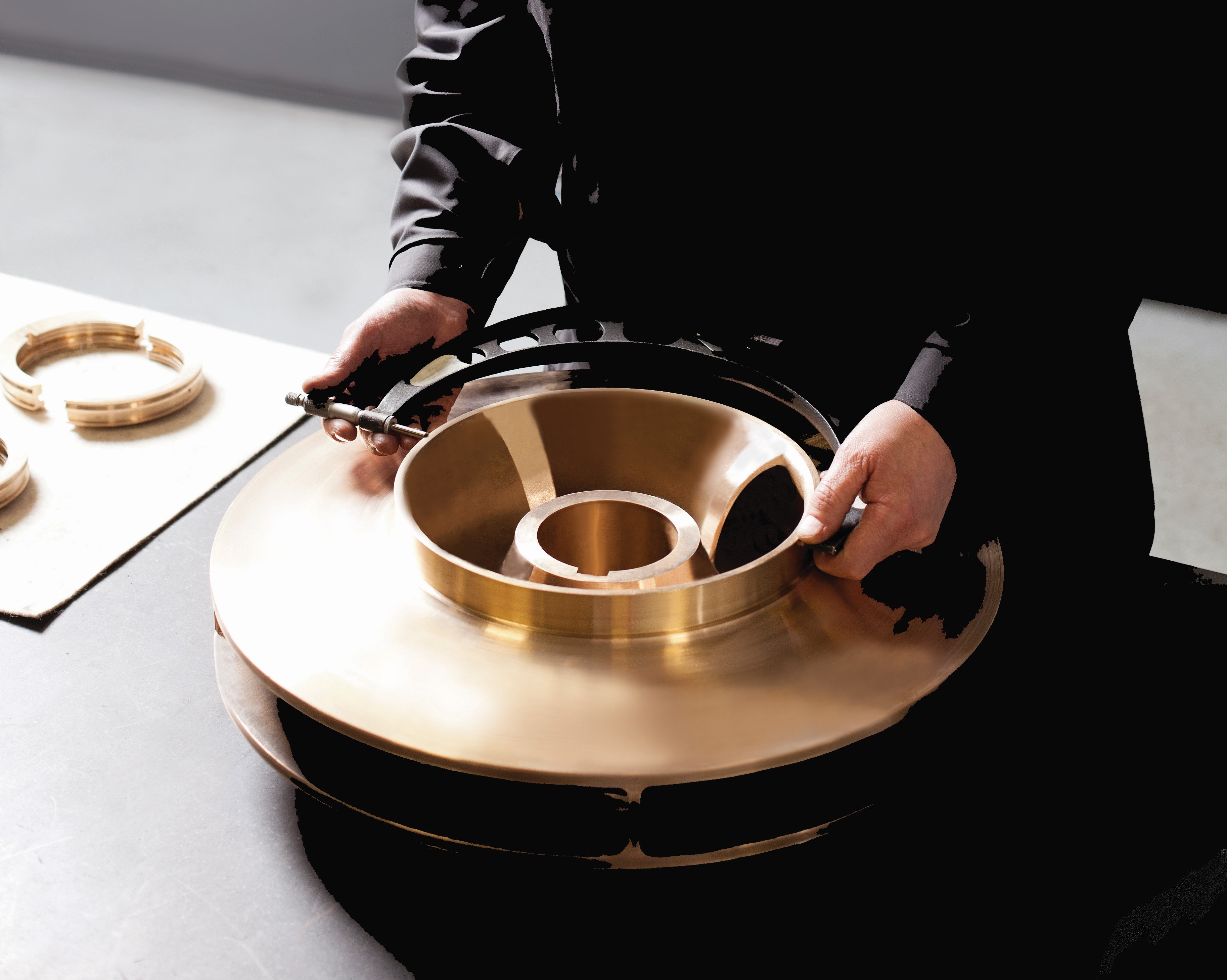
The existing cast iron impellers were replaced with aluminium bronze impellers, specified to BS 1400 AB2. Aluminium bronze alloys are widely recognised for their improved resistance to cavitation erosion compared with cast iron in water applications, particularly where repeated bubble collapse occurs at the inlet. New wear rings were also manufactured and fitted, restoring internal clearances and reducing efficiency losses associated with ring wear.
This approach retained the pump’s original hydraulic geometry and avoided changes to the casing, shaft or system layout - a key advantage in constrained water sector installations.
Verified Performance Improvement
Following the manufacture and installation of the upgraded impellers and new wear rings, the pumps were reassembled and tested. The immediate improvement was a 6% increase in performance, attributed primarily to restored clearances and renewed hydraulic surfaces. However, the more significant benefit was long-term reliability.
Despite continued exposure to cavitation conditions, the aluminium bronze impellers were assessed as having a design life exceeding 15 years, representing a major increase in Mean Time Between Failures (MTBF) compared with the original cast iron impellers.
This type of upgrade offers water operations several other benefits beyond component longevity. It reduces unplanned interventions by slowing cavitation damage and enables more predictable maintenance planning, even under variable suction conditions. Sustained hydraulic efficiency, less internal leakage and fewer pump strip-downs equate to lower lifecycle costs.
The return on investment for this project was calculated to be within two years, based on avoided repeat replacements and reduced downtime.
Conclusions About Cavitation
Many pumping best practice documents recommend eliminating cavitation by improving suction conditions: in other words, increasing the Net Positive Suction Head (NPSH) available, redesigning pipework, or adjusting the operating point. In an ideal world, those are the right solutions.
But water-sector infrastructure does not always present ideal suction conditions. Tank levels vary, demand fluctuates, and upgrades must often work within the limitations of existing assets. This project highlights a practical alternative: where cavitation cannot be eliminated, careful component selection and materials engineering can significantly reduce damage and extend operational life.
Source: Jim Miller (OE Sales Manager, Water and Industrial) ClydeUnion Pumps at Celeros Flow Technology