
Sustainable management of our assets has never been more vital to the world we live in. As asset owners face challenges like rising end-user expectations, tightening regulations, climate pressures, and increasing financial scrutiny, the ability to make smart, evidence-based decisions about assets has become a defining factor for long term success.
For many, the discipline of looking after these assets, i.e. asset management, is still seen through a narrow lens as a maintenance activity, a cost control exercise, or an engineering responsibility. In reality the discipline has evolved dramatically and today asset management is a strategic enabler: a way for asset owners & organisations to unlock value, manage risk, and deliver outcomes that matter to communities & planet.
At Arcadis, we see asset management as a journey of value, resilience, and purpose. It’s about ensuring that asset owners are future ready - ones that understand the full lifecycle of their assets, make confident decisions, and harness the power of their resources to achieve better results.
Seeing the Full Lifecycle and the Full Picture
The biggest opportunities for value creation don’t occur once an asset is built - they happen long before. Modern asset management thinking spans the entire lifecycle, supported by strong system thinking and a clear line of sight from strategy to outcomes.
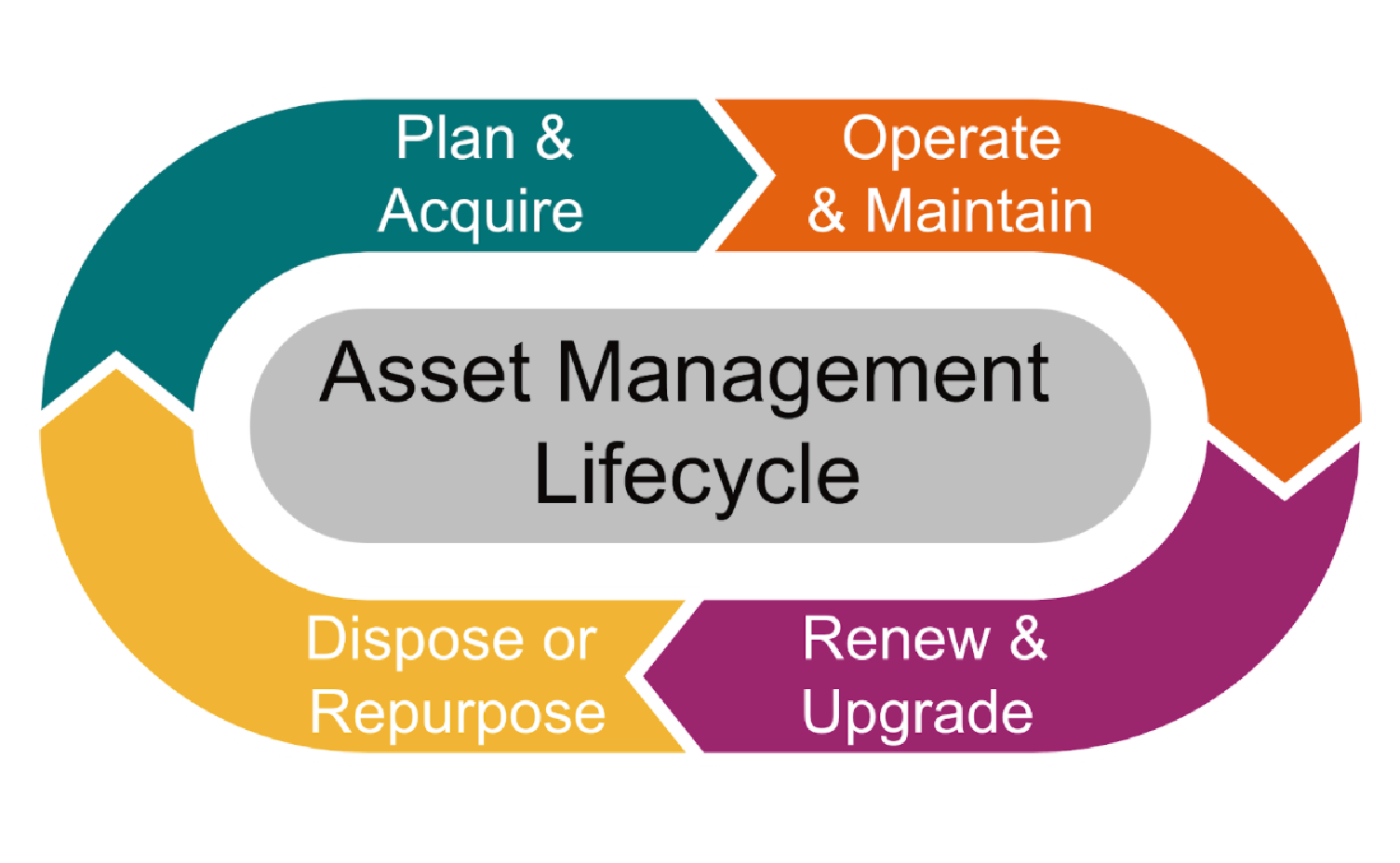
Plan & Acquire
The beginning of the asset lifecycle is where asset owners lay the groundwork for future performance and value. Strategic planning and design decisions will shape the asset’s ultimate reliability, safety profile & ultimately sustainability. By drawing on robust data, considering the needs of the stakeholders, and anticipating future operating conditions, asset owners can make well-informed choices that minimise downstream risks and ensure assets are fit for purpose for generations to come.
Asset management at this phase ensures that each asset is properly justified, cost effective, and tailored to the owner’s requirements before any physical work commences. Early integration of asset management principles establishes clear governance & ownership to help prevent waste, reduce risks, and avoid redesign later revisits in the asset’s lifecycle to correct the missteps from earlier in the process. It also ensures that assets are future-proofed by considering things such as the regulatory & legislative sphere that the assets will be operating in.
Operate & Maintain
The asset is now delivering day‑to‑day services, and the asset owner is performing routine maintenance and support activities to ensure the asset remains available, reliable, and fit for purpose throughout its planned life. The focus has now shifted to reliability, safety, and performance.
We are now at what is traditionally viewed as the core of asset management, where asset owners ensure they collect precise information about their assets; implement effective maintenance plans, balance costs and risks, and meet their licence and compliance obligations.
Good asset management meets all these goals through reasoned equilibrium, ensuring sustainable value throughout their life cycle.
To do this, good asset management uses predictive insights and risk based interventions to ensure assets deliver their intended outcomes. Whether through advanced analytics, risk studies, or proactive maintenance strategies, this stage is where organisations commonly begin their asset management journey - but it is only one part of a bigger system.
Renew & Upgrade
The asset is now reaching a major anniversary, and the asset owner is focusing on evaluating in‑service assets to determine whether they should be renewed, enhanced, or upgraded to maintain service performance, manage obsolescence, and ensure assets continue to meet evolving business and service requirements.
Asset management is critical during the renew & upgrade phase because it provides accurate lifecycle data on the cost, performance, risk, and compliance which are core inputs to the investment decisions that are being made. This ensures that an effective blend of CAPEX & OPEX are taken into consideration.
Dispose or Repurpose
End of life is not the end of value. Reuse, adaptation, material recovery, and circular thinking can reduce carbon, extend usefulness, and avoid unnecessary capital spend. When disposal is required, responsible planning minimises environmental and social impact.
Asset management processes and procedures ensure that a robust, traceable method is employed when it comes to end of life value aligning with organisational objectives.
A structured asset management framework provides assurance and traceability throughout asset disposal and repurposing activities, from managing security, environmental, and compliance risks to maintaining accurate and reliable asset records. This approach supports licence closure, value recovery, and informed reuse decisions, while ensuring actions align with governance, financial, and sustainability objectives.
Across these end-of-life stages, the strength of asset management lies in clarity, consistency, and a unified organisational direction achieved through a structured framework and integrated management systems.
Why Asset Management Matters More Than Ever
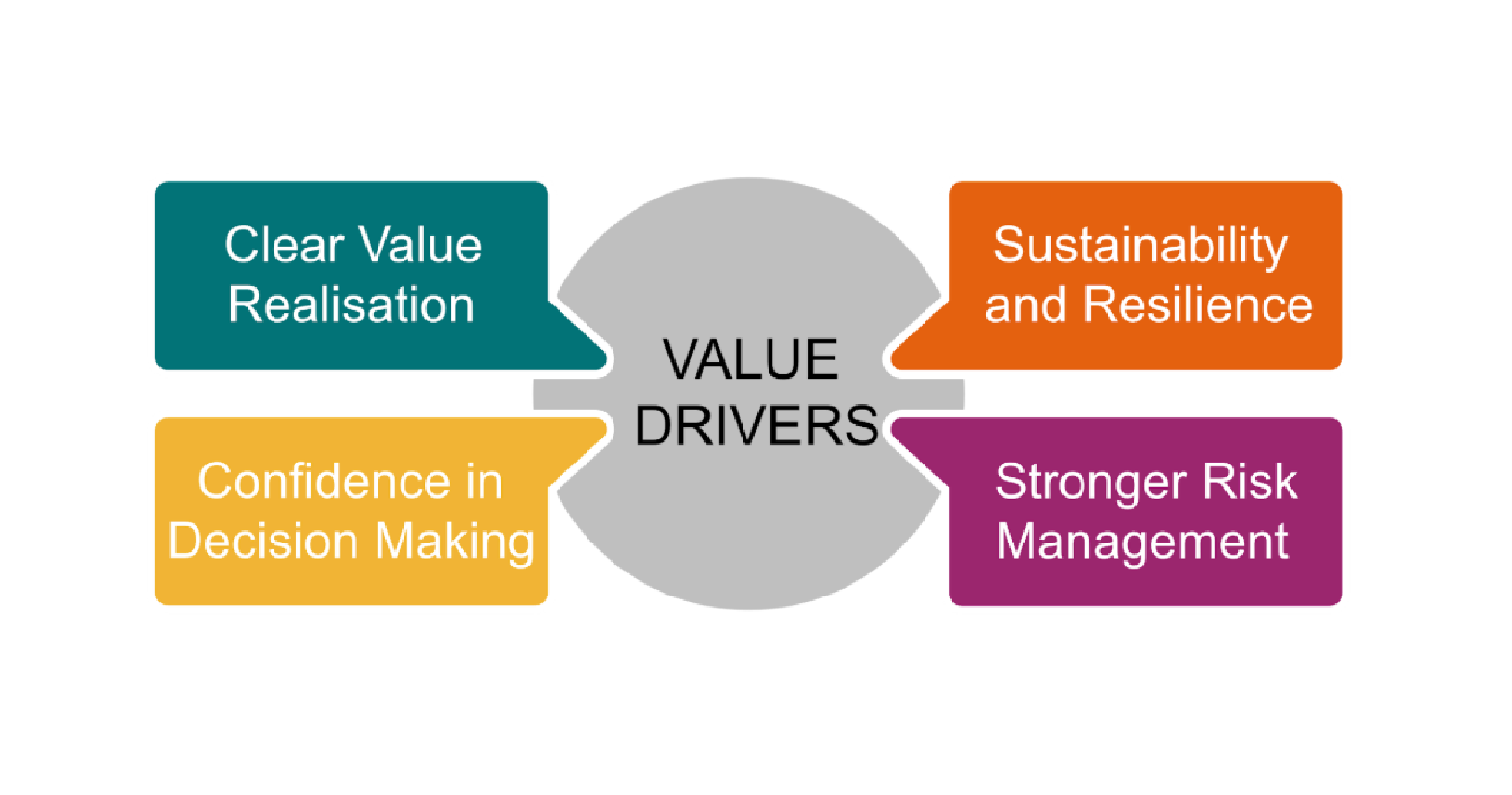
Today’s asset owners operate in a world shaped by transformation: digital disruption, climate adaptation, ageing infrastructure, shifting demographics, and growing expectations for transparency. Asset management provides a way to respond strategically by delivering:
- Clear value realisation by ensuring assets align with what matters most
- Confidence in decision making through transparent, evidence based logic
- Stronger risk management by supporting safe, reliable and resilient operations
- Efficiency across CAPEX, OPEX and TOTEX by doing the right work at the right time
- Sustainability and resilience from embedding long-term, responsible thinking
At its heart, asset management is a discipline of risk mitigation and continuous improvement enabling organisations to grow, adapt, and deliver on their purpose.
A Framework Built for Excellence
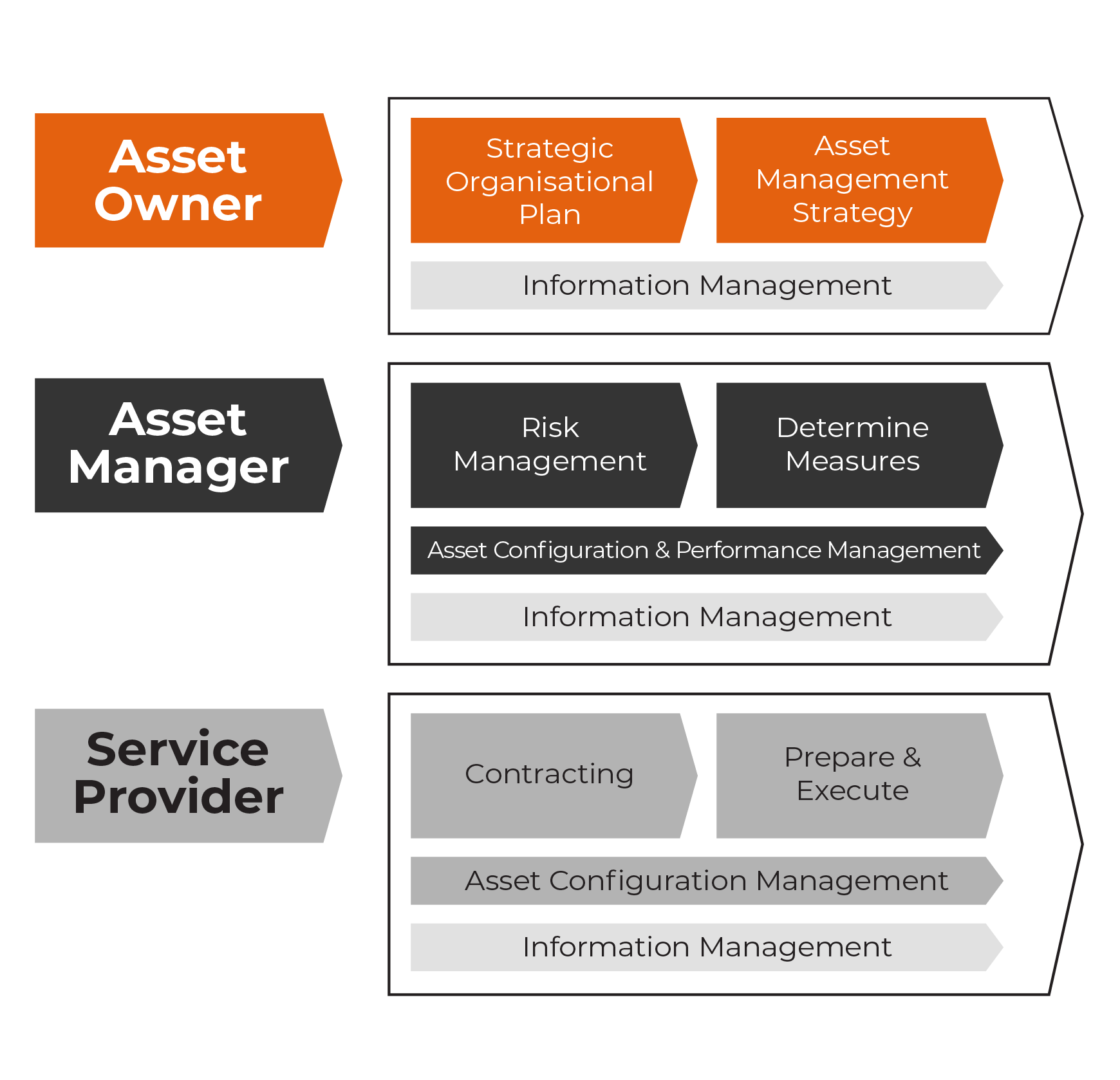
To help organisations embed asset management effectively, Arcadis developed an Arcadis Asset Management Framework (AAMF) which is a universal, scalable model aligned with ISO 55001 and internationally recognised best practices.
The AMPF offers a structured understanding of the asset owner, asset manager, and service provider roles giving clarity and ensures accountability and delivery of operational excellence. The framework is an end-to-end process from scenario planning to work execution and provides a structure for strong governance that makes sure that decisions are aligned with organisational values and risks are understood.
Crucially, the AMPF integrates seamlessly with Integrated Management Systems (IMS) - recognising that sustainable success is achieved when safety, quality, environment, risk, and operations work together as one cohesive system.
Supporting Organisations on Their Journey
Every organisation is at a different point in its Asset Management maturity. To help them accelerate progress, Arcadis developed GAMMA, a rapid maturity assessment aligned with ISO 55000 and IAM principles.
GAMMA helps organisations:
- Identify strengths and capability gaps
- Benchmark maturity
- Prioritise improvement activities
- Build confidence in their strategic direction
This is not about imposing a one-size-fits-all model. It’s about helping organisations define and achieve their own ambitions - whether that’s ISO certification, enhanced transparency, improved asset performance, or meeting rising regulatory expectations.
Leading the Conversation on the Future of Asset Management
Asset management will continue to evolve, integrating digital systems, data intelligence, organisational culture, and climate-aligned thinking. As assets become more complex and expectations grow, the need for integrated lifecycle thinking becomes critical.
Gareth Makarek, Asset Management Director at Arcadis said “At Arcadis, We champion our ambition to accelerate a planet-positive future. Through whole-lifecycle asset decisions, transparent evidence, and our ISO-aligned AMPF, We help clients cut carbon, enhance resilience, and maximise value ensuring every investment delivers measurable outcomes for people and places, today and for generations to come - safely, sustainably, with confidence.”
This article is only the beginning. In future pieces, we’ll explore other areas of asset management - and share how organisations can apply these principles to deliver excellence.